
Balls
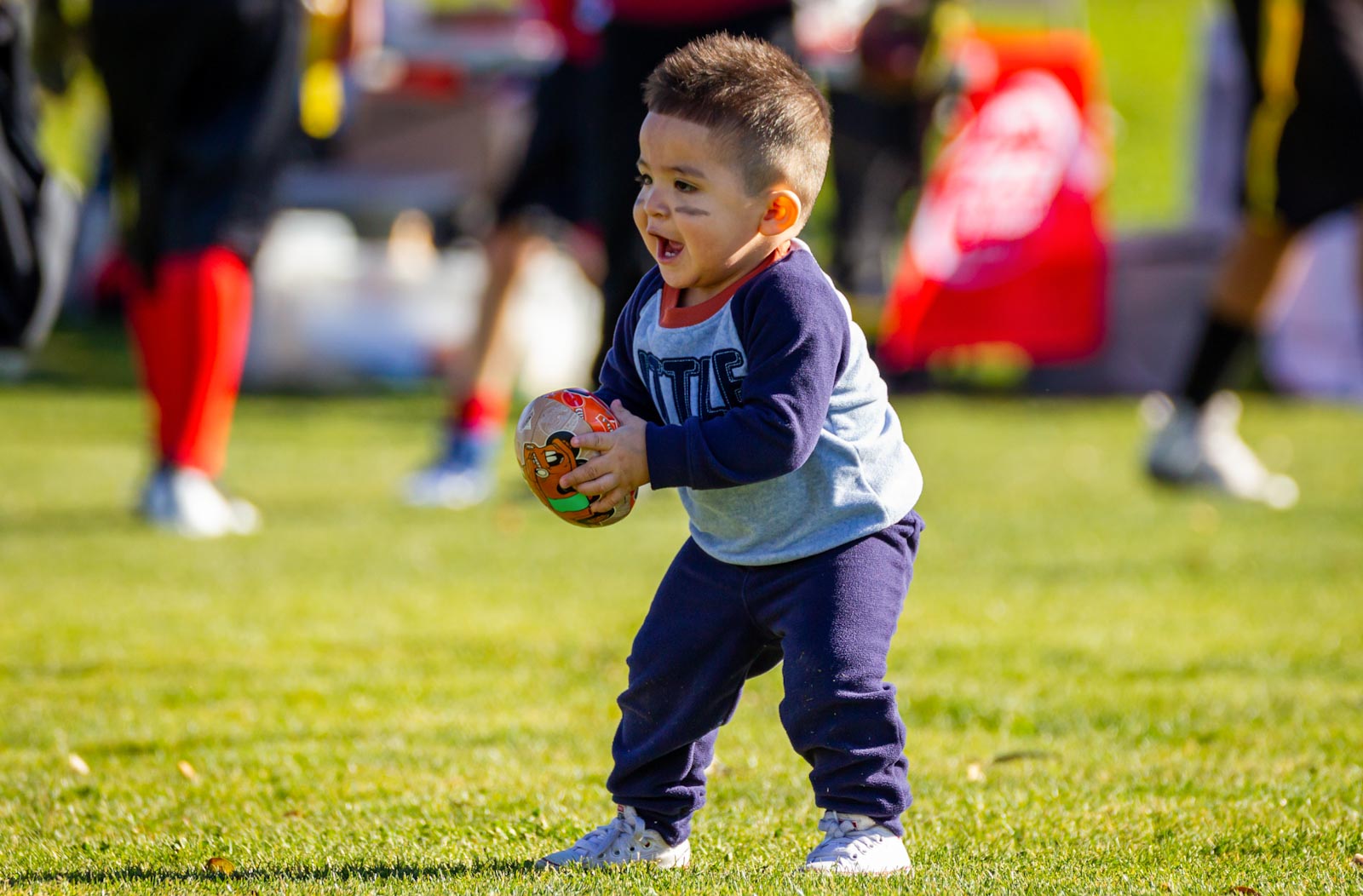
Balls are magical to young children because they roll, bounce and fly in unexpected ways. Small hands can easily and safely grasp their smooth surfaces. Many Australian children also follow or play ball sports, like rugby, netball and soccer.
Early childhood educators can support children's interest in balls to develop their social and gross motor skills.
The educational benefits of balls include gross motor development.
Learning experiences
Scrunch paper balls
Teach children to make balls by scrunching paper or wrapping it in layers like it's done in pass the parcel. Can you make tiny balls the size of peas? Do you have enough scrap paper to make a giant ball?
Finally, use them to play a ball game.
Paint with balls
Provide children with trays of paint and balls (choose old balls that can get messy). Demonstrate how to dip balls in paint and roll them over paper to make prints.
Count using balls
Encourage children to count while playing with balls. Count each bounce. Count the number of blue balls.
Sort and match using balls
Set up sorting and matching games using balls. Throw balls into the correct coloured bucket from a distance. Sort balls from small to large, or create a pattern using different types of balls.
Educator-child interactions
Discussions
Educators can ask questions to provoke discussions about balls: What other things that look like balls? Planets, fruit, balloons and Christmas baubles.